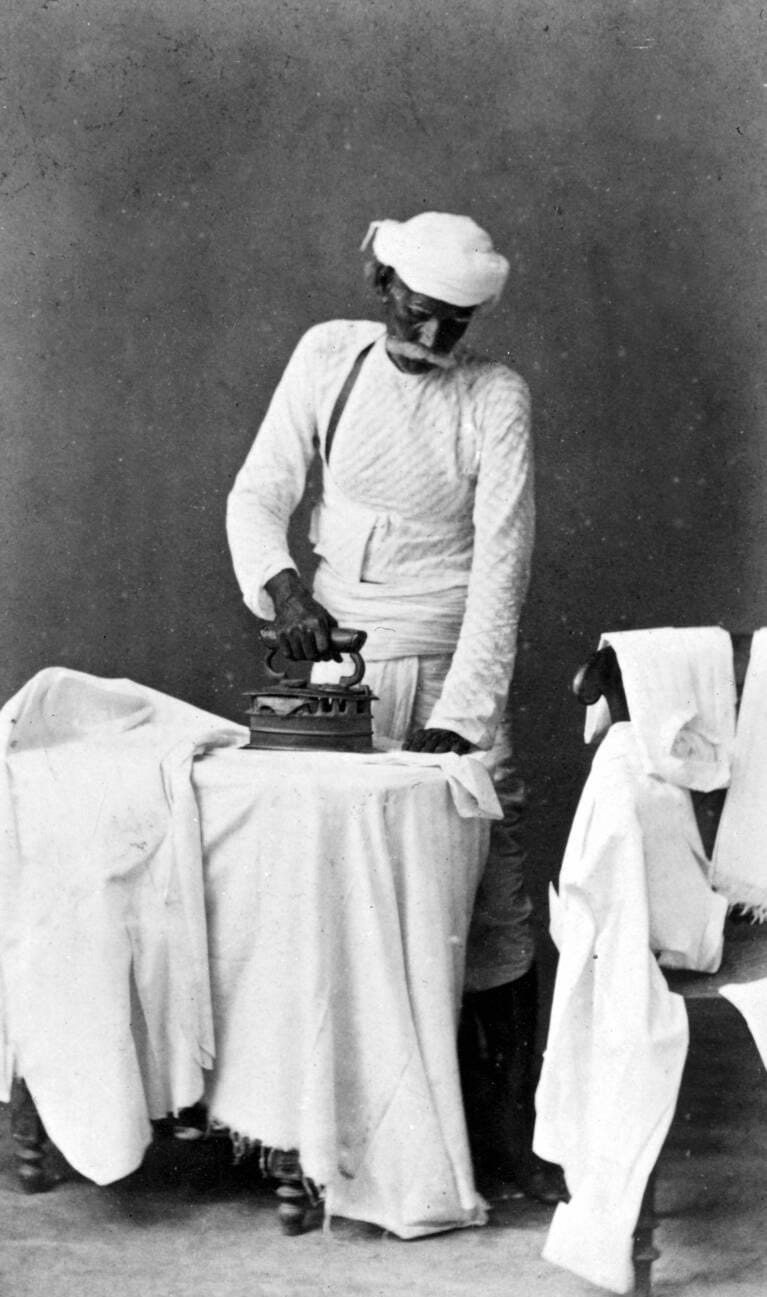
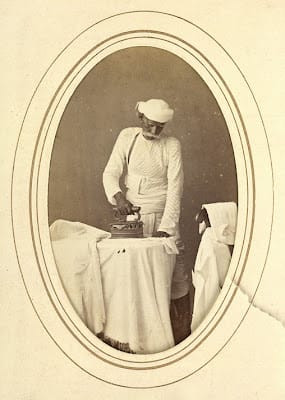
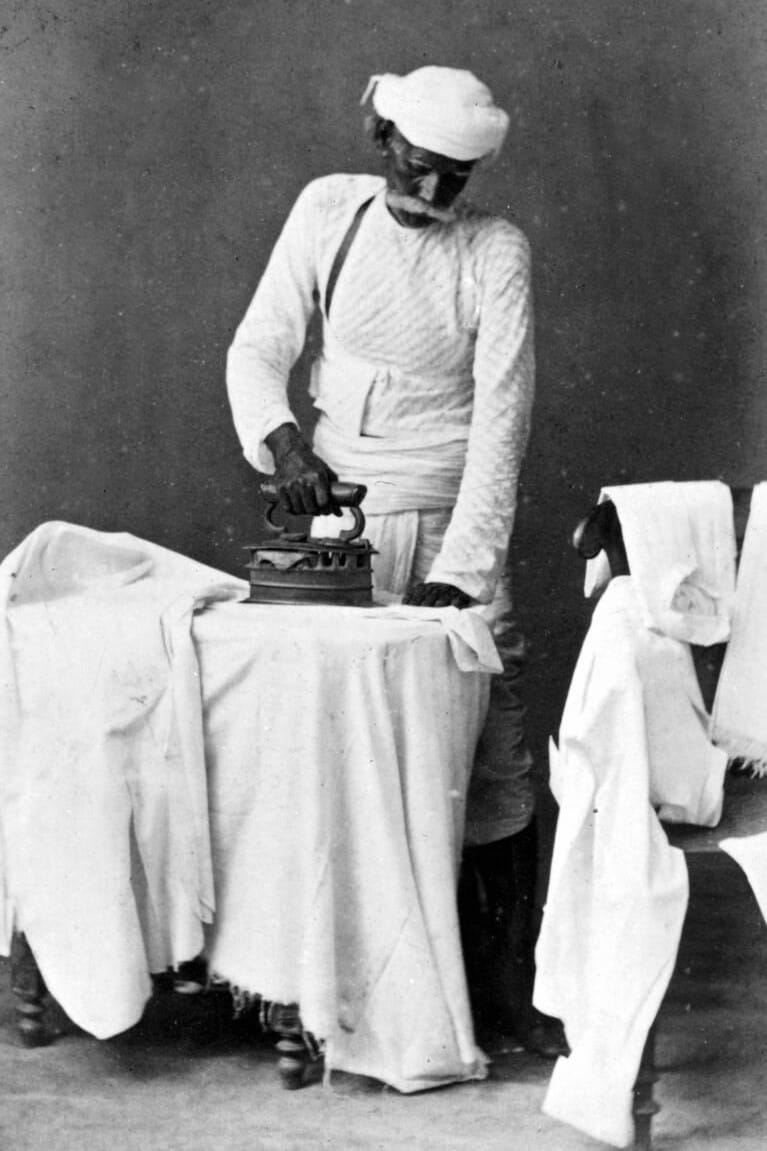
This Carte de Visite taken around 1860-1870 by Bourne and Shepherd Photographers, is part of a series of portraits that were taken to archive the various ethnic types and occupations of the world. Surprisingly, you can still find original copies of this photograph, likely from the original printing run, for sale here.
This photograph can easily be described as deeply colonial, evoking a strong feeling that is both difficult to describe and out of the scope for this brief description.
These photographs represent a common theme of traveller’s memoirs and diaries during the period of Colonial expansion in the latter half of the 19th century. As Europeans came into contact with other peoples there was an urge to document different races, customs, costumes and occupations. The diverse racial and cultural composition of the subcontinent became a photographic genre in its own right, due to both the rising science of ‘ethnology’ and to serve the demand for ‘exotic’ souvenirs of the east.
An informative writeup about this photo series from oldindianphotos.in
Year
Source
Source Caption(s):
Smith Archive: Domestic servant in India, 19th century.
Abebooks: CdV – Carte de Visite. – Format approx. 10.2 x 6.2 cm. – Around 1860 – 1870. On the back by hand labeled with pencil with “Dhobi” (Dhobi (English: “washerman”) is a caste group of India and a tribe in Pakistan. Their traditional occupation was washing clothes. The word dhobi is derived from the Hindi word dhona, which means to wash. They are found throughout North India, Gujarat, Maharashtra as well as the Punjab province of Pakistan, where they are known as Gazar.) — Good copy comes from the estate of an ambassador i. R., from the family property (a great-grandfather was a passionate photographer). Seller Inventory # 028229
Additional Image Variations: